|
||
| ||
| |||||
 | |
|---|---|
| Auteur | Sujet : [Unik] Stalker : Shadow of Chernobyl - Jeu Out - |
 dobeliou Transactions (0) | Posté le 30-10-2004 à 10:27:23   Reprise du message précédent :
|
Publicité | Posté le 30-10-2004 à 10:27:23 |
the gentleman -= PSN Id : StgBad =-Transactions (0) | Posté le 30-10-2004 à 10:42:15 OUAIS SUPER --------------- -= Fight =- |
AngX bleu 485Transactions (0) | Posté le 30-10-2004 à 11:00:06 Pourquoi est-ce écrit Béta Test ? il existe une version Alpha ou Pré Alpha du jeux ? --------------- #MarcheFort |
the gentleman -= PSN Id : StgBad =-Transactions (0) | Posté le 30-10-2004 à 11:20:26 Ca va venir y aura 5000 Env beta testeur, mais on a pas de dates précises --------------- -= Fight =- |
the gentleman -= PSN Id : StgBad =-Transactions (0) | Posté le 02-11-2004 à 08:24:51
Message édité par the gentleman le 02-11-2004 à 08:31:00 --------------- -= Fight =- |
philipppe Transactions (0) | Posté le 02-11-2004 à 10:20:50 je trouve pas ca super beau pour un jeu qui sort en 2010 ... On dirait un vieux jeu de 2004 |
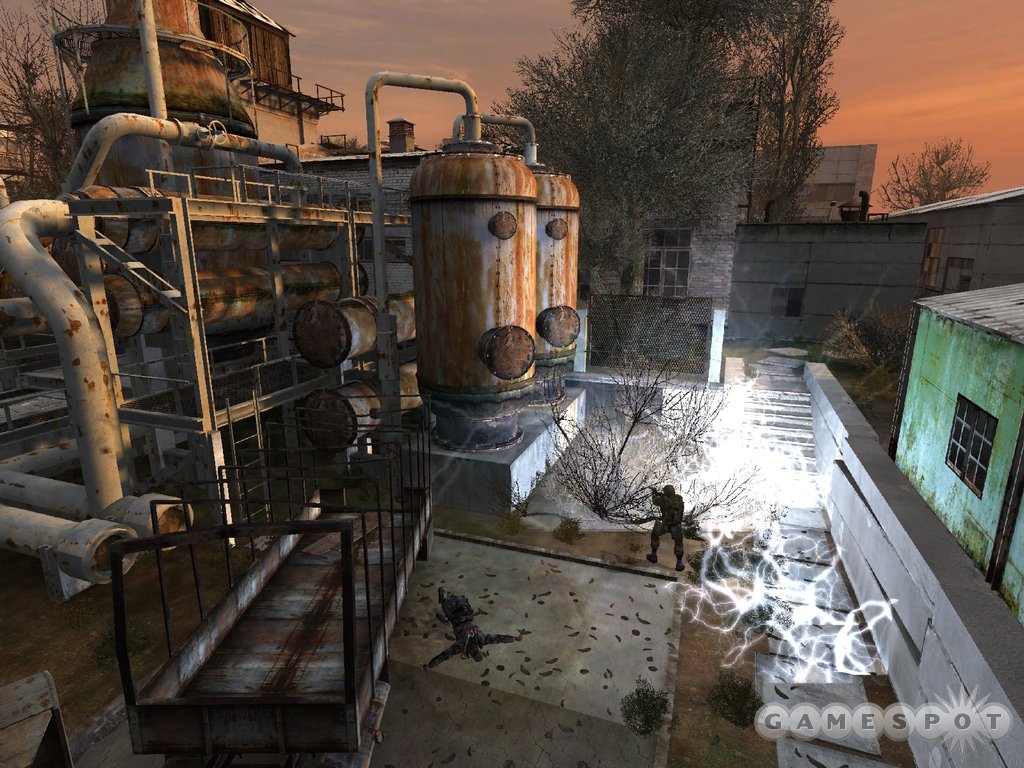
lorenzacio Transactions (0) | Posté le 02-11-2004 à 19:52:54 D'autres images
|
lorenzacio Transactions (0) | Posté le 05-11-2004 à 19:33:20 A priori, une demo est prévu :
|
lorenzacio Transactions (0) | Posté le 05-11-2004 à 19:43:03 Euh... Après lecture des deux articles en anglais, je n'ai vu aucune info relative à la sortie d'une démo (à part l'annonce de nvidia de faire une vidéo/démo du moteur utilisé dans stalker).
|
dobeliou Transactions (0) | Posté le 05-11-2004 à 19:43:58
|
Publicité | Posté le 05-11-2004 à 19:43:58 |
the gentleman -= PSN Id : StgBad =-Transactions (0) | Posté le 08-11-2004 à 12:02:51 Info en anglais sur l' IA
--------------- -= Fight =- |
ludo2604 kitsch' me if u canTransactions (1) | Posté le 14-11-2004 à 21:56:56 |
coockie_jr All hail the Hypnotoad !Transactions (0) | Posté le 14-11-2004 à 22:11:20 |
dobeliou Transactions (0) | Posté le 15-11-2004 à 00:00:55 allé, maintenant qu'halflife 2 est sorti, fo se defouler sur un autre jeu |
dobeliou Transactions (0) | Posté le 15-11-2004 à 09:30:24
|
thekiller3 Transactions (0) | Posté le 16-11-2004 à 18:49:41
|
dilopens Journalisme totalTransactions (0) | Posté le 16-11-2004 à 18:50:21 cool faudra pas l'activer avec steam celui-là |
xman branleurTransactions (0) | Posté le 16-11-2004 à 20:32:36
--------------- Bon, puisque presque tout le monde a une signature, ben moi aussi ! Na ! |
MrBrOwNsToNe Transactions (0) | Posté le 19-11-2004 à 21:31:17 il sort quand stalker ????
|
alcante Transactions (0) | Posté le 19-11-2004 à 21:59:58
|
 Profil supprimé Transactions (0) | Posté le 22-11-2004 à 18:34:06
Message édité par Profil supprimé le 22-11-2004 à 18:34:21 |
the gentleman -= PSN Id : StgBad =-Transactions (0) | Posté le 23-11-2004 à 08:30:49 Hmm, kler HL2 c'est un super JEU, Far cry Aussi, Doom3 un peu moins pour moi... Mais Stalker aura surement ces chances s'ils respectent l'IA promise --------------- -= Fight =- |
golgoth57 Chanteur-NezTransactions (0) | Posté le 23-11-2004 à 14:05:57 drapal --------------- concerts a bloc sur region parisienne et Panam: http://www.facebook.com/stageoneband + http://www.warmachines.fr |
VydoLL Cat Killer 0_-Transactions (0) | Posté le 23-11-2004 à 15:06:14 |
xman branleurTransactions (0) | Posté le 23-11-2004 à 15:17:52
--------------- Bon, puisque presque tout le monde a une signature, ben moi aussi ! Na ! |
hkkaneda Transactions (0) | Posté le 23-11-2004 à 15:20:18
|
golgoth57 Chanteur-NezTransactions (0) | Posté le 23-11-2004 à 15:26:31
--------------- concerts a bloc sur region parisienne et Panam: http://www.facebook.com/stageoneband + http://www.warmachines.fr |
theBride Overdrive'dTransactions (0) | Posté le 23-11-2004 à 18:52:56
--------------- Is Disney World the only people trap operated by a mouse? | Mes Photos | Liberez la Musique! |
VydoLL Cat Killer 0_-Transactions (0) | Posté le 24-11-2004 à 15:53:25
|
hkkaneda Transactions (0) | Posté le 24-11-2004 à 17:47:27
|
golgoth57 Chanteur-NezTransactions (0) | Posté le 24-11-2004 à 19:18:18
--------------- concerts a bloc sur region parisienne et Panam: http://www.facebook.com/stageoneband + http://www.warmachines.fr |
MrBrOwNsToNe Transactions (0) | Posté le 24-11-2004 à 19:33:36 |
the gentleman -= PSN Id : StgBad =-Transactions (0) | Posté le 25-11-2004 à 08:02:54
nan je pense pas qu'il est dit CA, c'est juste que HL2 est un excellent jeu qui montent en puissance au fur et à mesure que tu avances, perso j'aime bien l'IA du jeu HL2, le source engine déchire, etc... technologiquement c'est du bon boulot de VALVE je trouve..., mais j'attends BEAUCOUP de Stalker quand même.... --------------- -= Fight =- |
theBride Overdrive'dTransactions (0) | Posté le 29-11-2004 à 19:40:46 OUI MAIS IL N'ARRIVE PAS§§§ --------------- Is Disney World the only people trap operated by a mouse? | Mes Photos | Liberez la Musique! |
satrincha Moi j'ai rien dit©Transactions (1) | Posté le 29-11-2004 à 21:15:15 sa va il ce son calmé les devs sur les photos et videos ! ouf |
chr$ Pocket , Mini PC , FPGA !Transactions (0) | Posté le 29-11-2004 à 22:49:51 Ou bien ils sont dans la rue à faire la révolution (Ukraine oblige).....
|
the gentleman -= PSN Id : StgBad =-Transactions (0) | Posté le 02-12-2004 à 08:23:32
--------------- -= Fight =- |
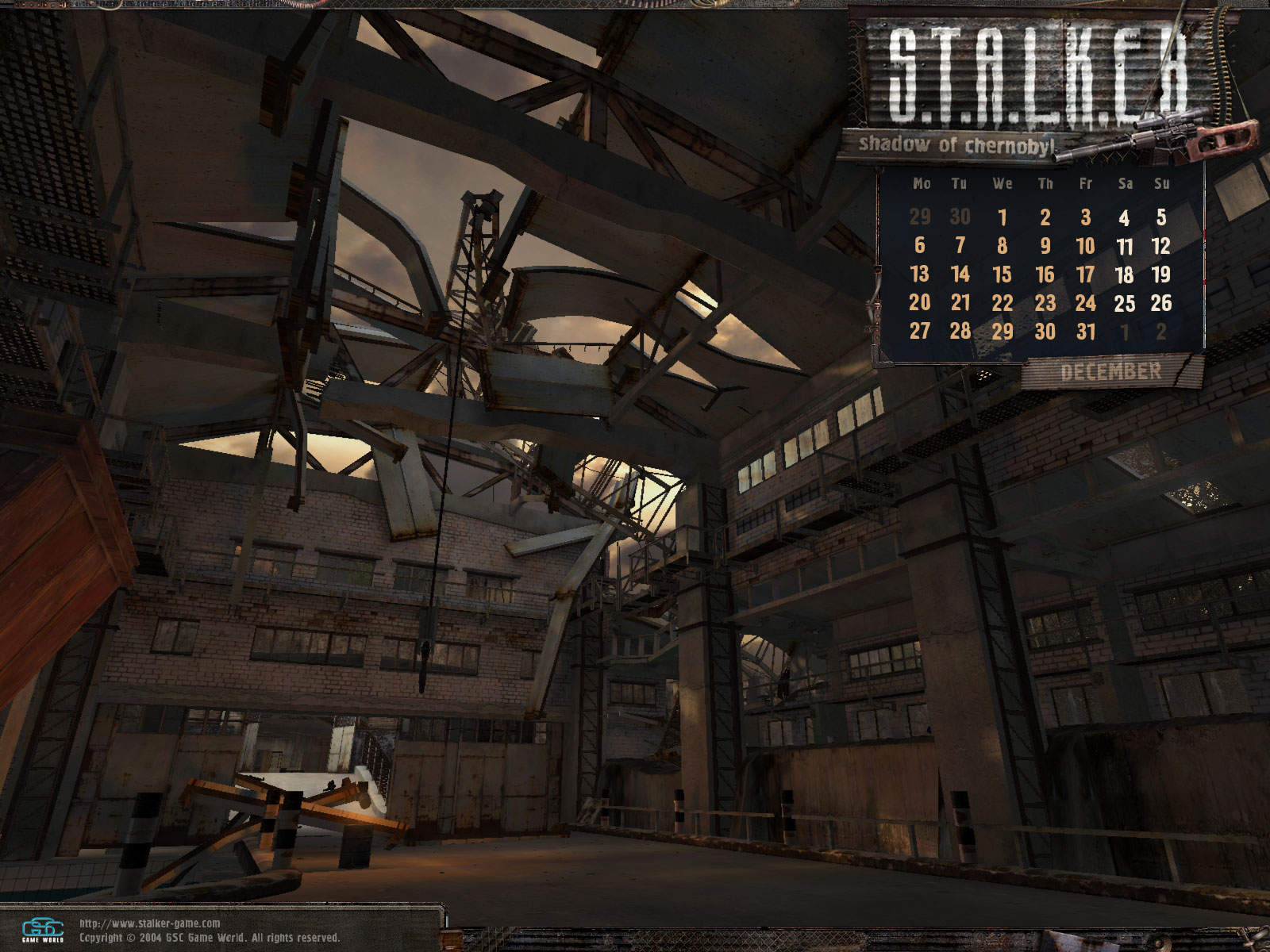
the gentleman -= PSN Id : StgBad =-Transactions (0) | Posté le 06-12-2004 à 08:21:27
--------------- -= Fight =- |
philipppe Transactions (0) | Posté le 06-12-2004 à 10:44:29 ca a l'air aussi beau et realiste qu'HL² |
Publicité | Posté le |


![[:angel_dooglas]](https://forum-images.hardware.fr/images/perso/angel_dooglas.gif "[:angel_dooglas]")


 .
.![[:ocube]](https://forum-images.hardware.fr/images/perso/ocube.gif "[:ocube]")
![[:__greg__]](https://forum-images.hardware.fr/images/perso/__greg__.gif "[:__greg__]")
![[:jofusion]](https://forum-images.hardware.fr/images/perso/jofusion.gif "[:jofusion]")
![[:zerod]](https://forum-images.hardware.fr/images/perso/zerod.gif "[:zerod]")
![[:sstarshoot]](https://forum-images.hardware.fr/images/perso/sstarshoot.gif "[:sstarshoot]")