Scariest Foods ![[:cerveau huit]](https://forum-images.hardware.fr/images/perso/cerveau huit.gif "[:cerveau huit]")
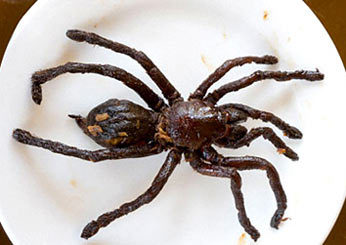
A palm-sized species of black tarantula known as “a-ping” is a well-known culinary specialty of Skuon, a small Cambodian village north of Phnom Penh. The rural area is sometimes called “spiderville” for the street vendors selling heaping trays of whole arachnids, which are bred in underground lairs and fried with garlic, sugar, spices and salt until their legs are crispy and their bodies turn a dusky red.
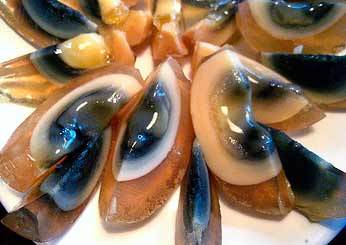
The Chinese cover raw eggs—duck, chicken and sometimes quail—with a mix of clay, ash, quicklime, salt and straw and let them sit for weeks or months to cure. The yolks turn deep-green and soften; the whites disintegrate into a transparent amber jelly. Reeking of sulphur, they’re served with silken tofu or pork, scallions and ginger, in the rice porridge known as congee, or simply as part of a banquet platter of cold finger foods.
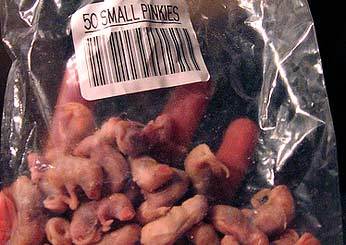
In some parts of Asia newborn mice and rats—sometimes called “pinkies”—are eaten whole, either crispy fried or grilled, such as the way author Jerry Hopkins samples them in his 2004 book Extreme Cuisine (Periplus Editions). Hopkins had them like spring rolls: with a traditional Vietnamese dipping sauce of ginger, garlic, chilies, cilantro, fish sauce and rice vinegar.
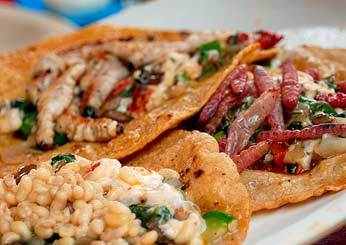
In Mexico, black ant eggs are called “insect caviar.” For centuries, they’ve been harvested from the insect’s underground nests on agave and maguey plant roots, then boiled, cooked in creamy soups, simmered in tomato sauce, or served with guacamole and tortillas. Those who enjoy escamoles say they’re creamy like cottage cheese, with a buttery, nutty flavor.



![[:ocube]](https://forum-images.hardware.fr/images/perso/ocube.gif "[:ocube]")




![[:lapin_vert:5]](https://forum-images.hardware.fr/images/perso/5/lapin_vert.gif "[:lapin_vert:5]")

![[:klemton]](https://forum-images.hardware.fr/images/perso/klemton.gif "[:klemton]")


