 |
||
| ||
| |||||
 | |
|---|---|
| Auteur | Sujet : Blockchain & Crypto • Actus & Entraide |
 Publicité | Posté le 18-05-2026 à 17:57:45   |
Olivie SUUUUUUUUUUUUUU | Posté le 18-05-2026 à 18:39:30 Message édité par Olivie le 18-05-2026 à 18:39:41 --------------- |
Olivie SUUUUUUUUUUUUUU | Posté le 18-05-2026 à 20:09:55
--------------- |
vincent_libre | Posté le 18-05-2026 à 23:51:56 Le contenu de ce message a été effacé par son auteur |
ze_snake | Posté le 19-05-2026 à 00:30:06
Tu peux, j'en ai laissé un peu, apr 5% pour l'instant Message cité 1 fois Message édité par ze_snake le 19-05-2026 à 00:32:03 |
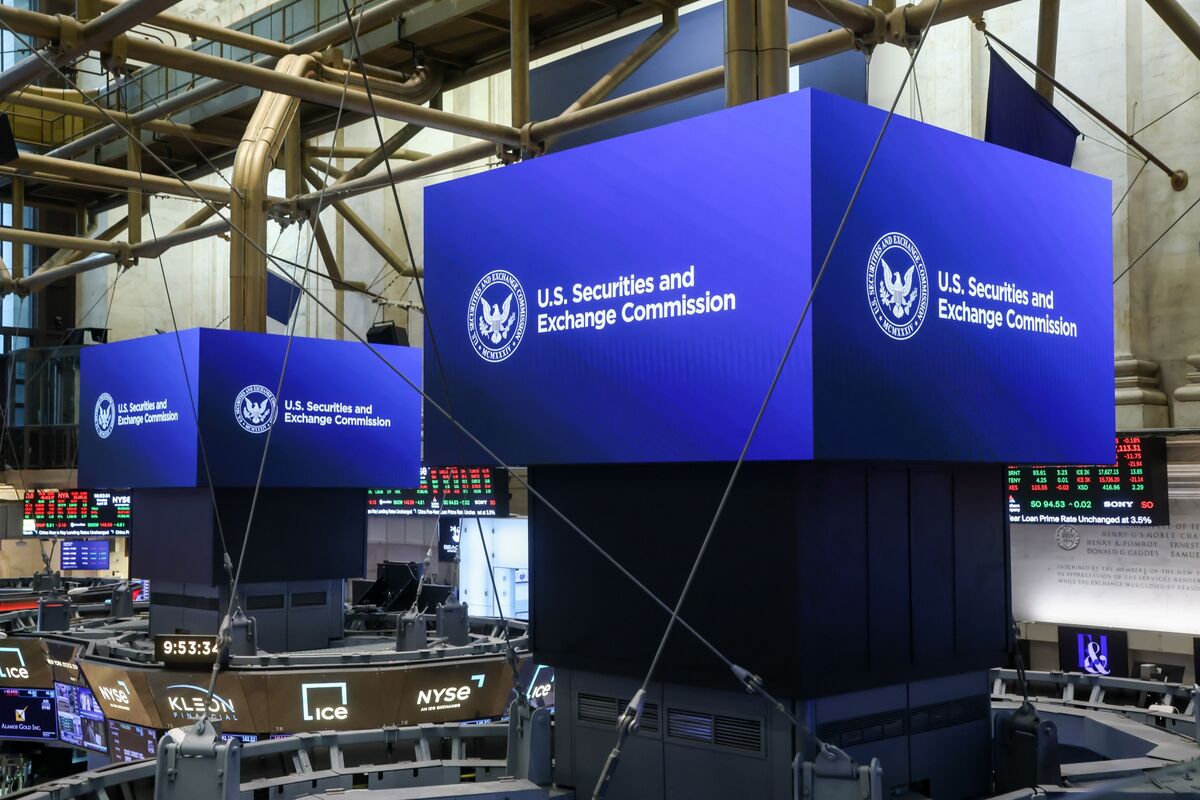
the veggie boy Who's taking my Lorazepam? | Posté le 19-05-2026 à 02:06:14 SEC to Ready Plan for Trading Crypto Versions of Stocks
--------------- blacklist |
 Deltissou | Posté le 19-05-2026 à 09:24:33
--------------- BilanDeFi.fr — le bilan de vos positions DeFi, reconstitué depuis la blockchain. Gratuit, lecture seule. |
tamino master proxy 2 gates | Posté le 19-05-2026 à 09:25:34 Bonjour,
|
Publicité | Posté le 19-05-2026 à 09:25:34 |
hardcorsaire | Posté le 19-05-2026 à 11:40:48
|
the veggie boy Who's taking my Lorazepam? | Posté le 19-05-2026 à 16:17:36
--------------- blacklist |
Mitch2Pain | Posté le 19-05-2026 à 16:30:28
https://app.hyperliquid.xyz/trade onglet TRADFI t'as des dizaines d'actions tokenisées tradable et aussi des indices, des devises des matières 1eres ... Message cité 2 fois Message édité par Mitch2Pain le 19-05-2026 à 16:30:54 |
hardcorsaire | Posté le 19-05-2026 à 16:36:34
|
the veggie boy Who's taking my Lorazepam? | Posté le 19-05-2026 à 16:58:32
--------------- blacklist |
Mitch2Pain | Posté le 19-05-2026 à 17:19:23 lol |
sinoufzor | Posté le 19-05-2026 à 20:16:05
Ah c'est kool ca, j'etais persuadé que pour acheter des actions tokenisé il fallait passer par des cex. Ca a la meme valeur ? Et nous en france ? Aucune restrictions ? |
lagorsk l'est beau mon kiki | Posté le 19-05-2026 à 20:38:49
|
ChrisPc | Posté le 19-05-2026 à 20:52:10
En France on te dira que c'est interdit mais dans les faits, c'est juste pour te dire de ne pas faire sortir le pognon de France pour mieux te le prélever. En bref, si en France c'est interdit c'est juste pour pas s'emmerder à t'aider si tu perds tout dans un hack, une arnaque,... Le xStock, c'est assimilé crypto donc légal et taxé à 31,4%, voilà |
Mitch2Pain | Posté le 19-05-2026 à 20:55:05 Si la fiscalité des cryptos était plus douce que celle des PV sur les actions et des dividendes ça aurait un intérêt, mais c'est pareil alors ... |
sinoufzor | Posté le 19-05-2026 à 22:09:10
Ah mince justement je pensais que vu que c'etait en defi on evitait la fiscalité mais a 1ere vue c'est pas le cas ? Du coup ce sont de vrais xstocks sur hyperliquid ou c'est different ? Il me semblait avoir compris que les actions tokenisés suivaient des regles bien strictes et c'est donc pour ca que ce n'etait dispo que sur des CEX, comment ca pourrait etre les meme sur hyperliquid ? |
Mitch2Pain | Posté le 19-05-2026 à 23:08:29
Message cité 2 fois Message édité par Mitch2Pain le 19-05-2026 à 23:09:42 |
Deltissou | Posté le 19-05-2026 à 23:14:08
--------------- BilanDeFi.fr — le bilan de vos positions DeFi, reconstitué depuis la blockchain. Gratuit, lecture seule. |
Domicron | Posté le 20-05-2026 à 07:28:52
|
sinoufzor | Posté le 20-05-2026 à 09:36:22
Je ne connais pas hyperliquid mais en crypto la fiscalité ne se declenche que lorsqu'on repasse en monnaie fiat non ? Vu que hyperliquid est en defi et qu'il faut connecter son wallet crypto, pourquoi ca declencherai de la fiscalité ? |
kimmeria | Posté le 20-05-2026 à 09:50:28
|
Domicron | Posté le 20-05-2026 à 11:35:21
dont le contribuable est titulaire, cotitulaire, bénéficiaire économique ou ayant droit économique.
peut conduire l’administration à considérer qu’il existe bien un compte de paiement étranger distinct.
Message cité 2 fois Message édité par Domicron le 20-05-2026 à 11:47:14 |
andhar Vieillir ou mourir | Posté le 20-05-2026 à 13:05:37
|
lagorsk l'est beau mon kiki | Posté le 20-05-2026 à 13:38:55
|
kimmeria | Posté le 20-05-2026 à 14:15:28
|
sieg66 pseudo à numéro | Posté le 20-05-2026 à 14:29:31 On déclare juste les comptes actifs au moins un jour durant l'année des revenus déclarés. |
Domicron | Posté le 20-05-2026 à 14:37:57 Je vais poser la question au support de Kraken, j'espère avoir al réponse rapidement. |
Mitch2Pain | Posté le 20-05-2026 à 15:00:19
J'ai pas dit que ça déclenchait lorsque tu vends sur HL, j'ai dit que c'est soumis à la fiscalité des cryptos. Donc le jour où tu repasses en FIAT tu payes. Message cité 1 fois Message édité par Mitch2Pain le 20-05-2026 à 15:01:47 |
sieg66 pseudo à numéro | Posté le 20-05-2026 à 15:14:38
|
sinoufzor | Posté le 20-05-2026 à 16:17:10
Ah oui voila donc c est bien ce que je pensais et je trouve que du coup c'est plus interessant de le faire sur HL. Imaginons je veux prendre un peu de mstr mais pour du cour terme, sur cto dans tous les cas je perd 30% de la perf (si il y a biensur) La le gros avantage que je pourrais voir a HL c'est que je connecte mon wallet. Je prend du mstr avec de l usdc, quand je revens je recupere en usdc et basta non ? C'est dans ce sens que je disais que ca permettais de gagner sur la fiscalité. J'ai juste ou pas ? |
Publicité | Posté le |

| Sujets relatifs | |
|---|---|
| Plus de sujets relatifs à : Blockchain & Crypto • Actus & Entraide |


![[:leamas:5]](https://forum-images.hardware.fr/images/perso/5/leamas.gif "[:leamas:5]")


![[:loop_q:6]](https://forum-images.hardware.fr/images/perso/6/loop_q.gif "[:loop_q:6]")
![[:moooonblooood:2]](https://forum-images.hardware.fr/images/perso/2/moooonblooood.gif "[:moooonblooood:2]")
![[:patrick57s:9]](https://forum-images.hardware.fr/images/perso/9/patrick57s.gif "[:patrick57s:9]")


![[:dks:3]](https://forum-images.hardware.fr/images/perso/3/dks.gif "[:dks:3]")
![[:so-saugrenu4:3]](https://forum-images.hardware.fr/images/perso/3/so-saugrenu4.gif "[:so-saugrenu4:3]")
![[:amonchakai:1]](https://forum-images.hardware.fr/images/perso/1/amonchakai.gif "[:amonchakai:1]")


