 |
||
| ||
| |||||
 | |
|---|---|
| Auteur | Sujet : [Topic Unique] Machine Learning & Data Science |
 Profil supprimé | Posté le 01-09-2020 à 12:15:18  Reprise du message précédent : |
 flyingchair | Posté le 01-09-2020 à 13:15:31 
Message édité par flyingchair le 01-09-2020 à 13:15:46 |
Rontgen | Posté le 01-09-2020 à 14:56:00
|
Profil supprimé | Posté le 01-09-2020 à 15:37:06
Cette vidéo est la meilleur. Message édité par Profil supprimé le 01-09-2020 à 15:42:26 |
flyingchair | Posté le 09-09-2020 à 22:43:31 |
joe bonanno Bananas | Posté le 12-09-2020 à 14:47:49 Quel format? |
neo world | Posté le 12-09-2020 à 14:54:51
ton DF fait 10MO au total où tu veux dire qu'il y a 10millions de lignes ? qu'es-ce que tu appelles "hyper long" ? |
giorno_gio75 | Posté le 12-09-2020 à 16:29:19
Pyspark Et dans une moindre mesure, data.table sous R est excessivement pûissant. Message édité par giorno_gio75 le 12-09-2020 à 16:29:47 |
o_BlastaaMoof_o | Posté le 12-09-2020 à 16:43:54
Faut arrêter avec vos réponses binaires consistant à balancer juste un nom de techno. La bonne façon de traiter de la data, ce n'est pas de la traiter dans une BDD, dans une base NoSQL ou dans Spark. La bonne méthode, c'est d'utiliser le bon outil pour le bon traitement et de faire communiquer ces outils entre eux via un framework commun. Offloader quand c'est nécessaire, déplacer la donnée uniquement quand il le faut. Message édité par o_BlastaaMoof_o le 12-09-2020 à 16:44:40 |
giorno_gio75 | Posté le 12-09-2020 à 20:44:08
Sous Dataiku t'as pas 36 000 solutions, Spark est une très bonne solution pour outrepasser les limites de RAM et très facile d'accès dans Dataiku d'ailleurs, j'ai juste répondu par rapport à l'outil qu'il utilise, punto Si j'ai répondu Spark c'est que je me doute qu'en utilisant Dataiku, il bosse sur du driver et tente de charger un Dataframe énorme mémoire, ce qui est quasi impossible et mauvais. Les deux solutions à ce problème, Spark et data.table, sont très pertinents quoique tu en penses, j'ai pipé plusieurs trucs avec ces deux framework et jamais eu le moindre problèmes de perfs, surtout quand l'organisation a pas forcément des gros moyens d'IT en matière de traitement (pas de clusters/noeuds, pas de grosse mémoire) Et je suis curieux R c'est quoi le problème pour transformer de la data au juste ? J'parle de traitement, pas d'ingénierie des données à tenter de construire des BDD sous R. Message édité par giorno_gio75 le 12-09-2020 à 20:49:25 |
banker38 | Posté le 13-09-2020 à 11:39:41
|
giorno_gio75 | Posté le 13-09-2020 à 19:08:21
|
Rontgen | Posté le 13-09-2020 à 21:54:21
|
giorno_gio75 | Posté le 14-09-2020 à 15:58:13
Ah ok là je comprends mieux. Tu te retrouves piégés dans le classique: on te prends en tant que data scientist pour faire des requetes SQL et faire du taf de data analyst, de mon expérience, 90% des DS que j'ai rencontré dans ma vie parisienne se font piéger par ça. Et je me compte dans ces 90%. Pour moi, tu es actuellement un DS pris pour un DA et plus tu t'embourbes dans ça, plus tu le deviens et plus tu perds en compétence ... donc c'est une bonne chose que tu dégages de cette situation avant que ton profil perde en valeur sur le côté DS. Maintenant ton problème ça va être de trouver une entreprise suffisamment sincère qui te fasses pas miroiter du ML, de la data science avancée pour en fait te faire faire des taches de reporting répétitives et ça malheureusement c'est très dur ... du moins en France car à l'étranger on pense pas du tout comme ça. Le timing est pas évident avec le COVID, je pense que plus tu t'éloignes du business traditionnel genre retail, plus tu as de chances de trouver des boîtes sincères qui vont t'estimer en tant que DS. Message édité par giorno_gio75 le 14-09-2020 à 15:59:50 |
flyingchair | Posté le 17-09-2020 à 14:30:44 Ça sent le CR d’entretien à venir |
Profil supprimé | Posté le 17-09-2020 à 14:35:01
|
flyingchair | Posté le 17-09-2020 à 14:46:45 T’imagines qu’en plus c’est un des domaines les plus dynamiques actuellement. Le problème c’est peut-être pas le machine learning |
Profil supprimé | Posté le 17-09-2020 à 15:27:07
Message édité par Profil supprimé le 17-09-2020 à 15:37:43 |
Rasthor | Posté le 17-09-2020 à 15:34:39
|
Profil supprimé | Posté le 17-09-2020 à 15:37:08 https://stackoverflow.com/questions [...] -in-python
|
Rasthor | Posté le 17-09-2020 à 15:38:23
|
flyingchair | Posté le 17-09-2020 à 17:40:20
|
Rontgen | Posté le 17-09-2020 à 17:50:26
|
Profil supprimé | Posté le 17-09-2020 à 22:08:16
Message édité par Profil supprimé le 17-09-2020 à 22:08:48 |
draculax | Posté le 18-09-2020 à 00:08:33 y'a glob glob sinon pour trouver tous les fichiers .bidules dans ton repo |
Trefledepique_W | Posté le 18-09-2020 à 00:31:14
|
rokhlan | Posté le 22-09-2020 à 15:12:54 Y'en a ici qui font de la prédiction d'anomalies sur des composants Hadoop ?
Message édité par rokhlan le 22-09-2020 à 19:17:51 |
Profil supprimé | Posté le 22-09-2020 à 16:01:50 Le fait pas ou refile ça à un stagios |
rokhlan | Posté le 22-09-2020 à 19:18:32 C'est moi l'alternant à qui on a refilé ça |
Profil supprimé | Posté le 22-09-2020 à 20:20:42 |
flyingchair | Posté le 22-09-2020 à 20:22:54 Fig 2 - Le ML, une truanderie aussi pour les employés |
Profil supprimé | Posté le 22-09-2020 à 20:33:35 Jme suis fait gank ce matin d'ailleurs |
neo world | Posté le 22-09-2020 à 20:48:40
C'est quoi le type de pannes le plus fréquent et/ou le plus pénalisant sur le cluster ? En termes de logs il y a déjà tout ? Sur un ELK ou autre ? Tu as un historique des incidents ? (Timestamps en particulier) accès aux outils de monitoring également ? Il y a eu des tentatives précédentes de maintenance prédictives ? Tu as tenté quoi jusqu'à présent ? Bienvenue dans le monde impitoyable des entreprises |

| Sujets relatifs | |
|---|---|
| [Topic unique] Veille IA - Actu, lectures, podcasts & documentaires | [Topic Unique] Claude by Anthropic |
| [Topic unique] IA générative de texte, ChatGPT, Copilot, Gemini & co | |
| Plus de sujets relatifs à : [Topic Unique] Machine Learning & Data Science | |


![[:somberlain111]](https://forum-images.hardware.fr/images/perso/somberlain111.gif "[:somberlain111]")

 Après c'est vraiment très puissant
![[:tigrou0007:4]](https://forum-images.hardware.fr/images/perso/4/tigrou0007.gif "[:tigrou0007:4]")

![[:somberlain_xvi:4]](https://forum-images.hardware.fr/images/perso/4/somberlain_xvi.gif "[:somberlain_xvi:4]")
![[:musacorp:5]](https://forum-images.hardware.fr/images/perso/5/musacorp.gif "[:musacorp:5]")
![[:flambi:2]](https://forum-images.hardware.fr/images/perso/2/flambi.gif "[:flambi:2]")
![[:clooney24]](https://forum-images.hardware.fr/images/perso/clooney24.gif "[:clooney24]") Tu peux me dire c'est laquelle d'ailleurs? en MP si tu veux
Tu peux me dire c'est laquelle d'ailleurs? en MP si tu veux 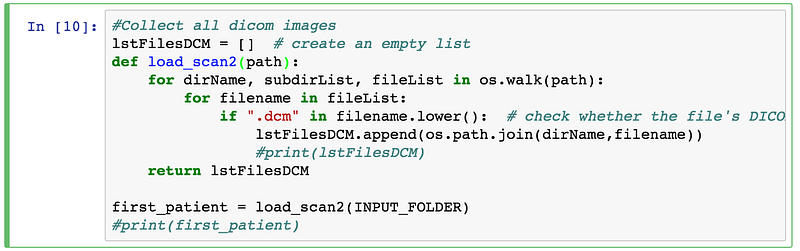
![[:theo_le_patron]](https://forum-images.hardware.fr/images/perso/theo_le_patron.gif "[:theo_le_patron]")
![[:le petit tiburce:5]](https://forum-images.hardware.fr/images/perso/5/le petit tiburce.gif "[:le petit tiburce:5]")

![[:humanrage:5]](https://forum-images.hardware.fr/images/perso/5/humanrage.gif "[:humanrage:5]")
![[:filoufillon:9]](https://forum-images.hardware.fr/images/perso/9/filoufillon.gif "[:filoufillon:9]")